
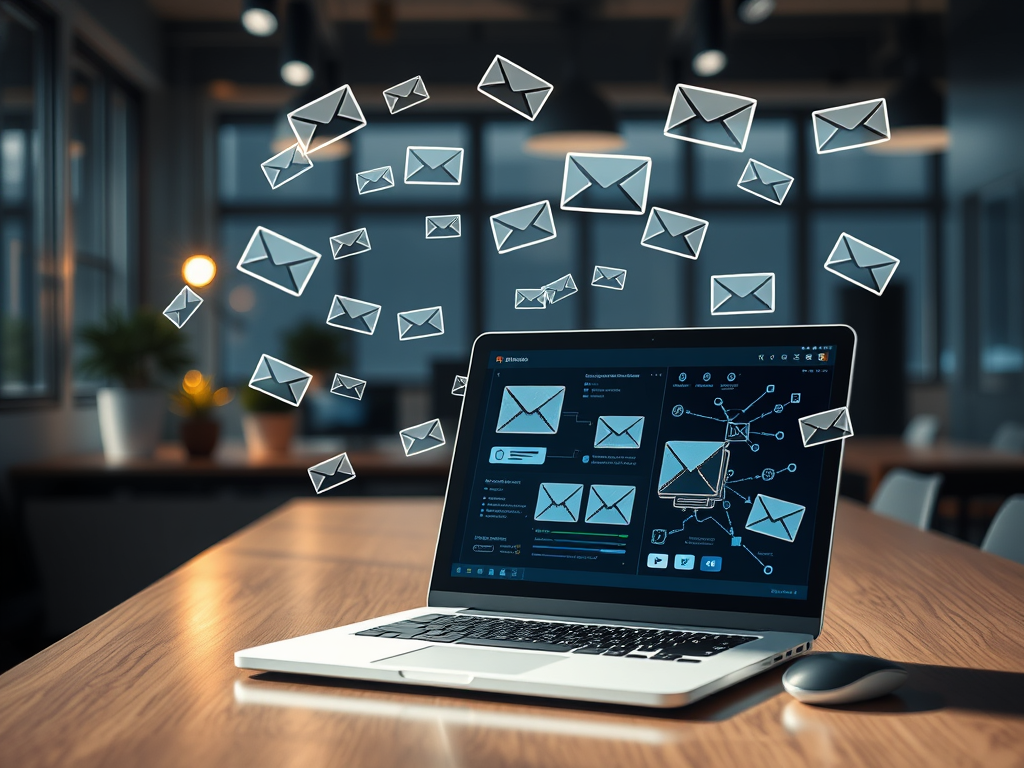
Unleashing the full potential of email automation can transform your business, turning email marketing from a daunting task into an efficient powerhouse. Imagine freeing up valuable time and resources while simultaneously enhancing customer interactions—this is the magic of systems. By shifting your mindset from viewing systems as rigid constraints to seeing them as adaptable tools for growth, you can unlock new opportunities for innovation. Simple automations, like a well-crafted welcome email, can lay the foundation for a more manageable and effective marketing strategy. In this blog post, we’ll guide you through the essentials of email automation, highlighting its role in creating consistent, personalized communication that captivates and retains your audience.
Systems: A Path to Freedom
Let’s explore how systems can liberate your email marketing efforts, transforming them from time-consuming tasks to efficient, growth-driving processes.
Transformative Power of Systems
Systems in email marketing are more than just automated processes. They’re powerful tools that can revolutionize your business operations. By implementing well-designed systems, you can streamline your workflow, reduce manual errors, and create consistency in your marketing efforts.
These systems allow you to focus on strategy and creativity, rather than getting bogged down in repetitive tasks. They free up valuable time and resources, enabling you to invest in areas that truly need your attention.
Moreover, effective systems can scale with your business, handling increased volume without a proportional increase in effort or resources. This scalability is crucial for sustainable growth and long-term success in email marketing.
Mindset Shift: Flexible Tools
To truly harness the power of systems, it’s essential to shift your perspective. Rather than viewing systems as rigid constraints, see them as flexible tools that empower growth and innovation.
This mindset shift allows you to adapt your systems as your business evolves. You’re not locked into a single way of doing things; instead, you have a framework that can be adjusted and optimized over time.
Flexible systems enable you to respond quickly to market changes, customer feedback, and new opportunities. They provide structure without sacrificing agility, giving you the best of both worlds in your email marketing efforts.
Systems Over Perfection
When it comes to implementing systems in your email marketing, it’s crucial to prioritize progress over perfection. Starting with basic systems and improving them over time is far more beneficial than waiting for the perfect solution.
Begin by identifying the most time-consuming or error-prone aspects of your email marketing. Implement simple systems to address these pain points, even if they’re not perfect at first.
As you use these systems, you’ll gain insights into what works well and what needs improvement. This iterative approach allows you to refine your systems gradually, creating a more effective and efficient email marketing process over time.
Simplifying Email Marketing
Discover how automation can make your email marketing more manageable and effective, starting with the basics and building up to more sophisticated strategies.
Simple Automations: Welcome Emails
Welcome emails are a perfect starting point for email automation. They set the tone for your relationship with new subscribers and can significantly impact engagement rates.
A well-crafted welcome email does more than just say “hello.” It introduces your brand, sets expectations for future communications, and often includes a special offer to encourage immediate engagement.
To create an effective welcome email:
- Personalize the greeting using the subscriber’s name.
- Thank them for subscribing and briefly explain what they can expect.
- Include a clear call-to-action, such as visiting your website or following you on social media.
- Consider offering a welcome discount or exclusive content to show appreciation.
Remember, simplicity is key. Don’t overwhelm new subscribers with too much information. Focus on making a positive first impression and laying the groundwork for future interactions.
Consistency Without Detachment
Automated emails don’t have to feel robotic or impersonal. With the right approach, you can maintain consistency in your communications while still creating a sense of personal connection with your audience.
The key is to infuse your brand’s personality into your automated emails. Use a conversational tone, share relevant stories or anecdotes, and include personalized elements based on subscriber data.
Consider creating a series of emails that build upon each other, telling a cohesive story about your brand or product. This approach maintains consistency while keeping subscribers engaged and looking forward to your next email.
Elevating Customer Experience
Automation can significantly enhance the customer experience by ensuring timely, relevant communications at every stage of the customer journey.
Use automation to:
- Send personalized product recommendations based on browsing history
- Follow up after purchases with helpful tips or complementary product suggestions
- Reengage inactive subscribers with targeted content or special offers
By anticipating customer needs and providing value at the right moments, you create a more positive and memorable experience with your brand.
Remember, the goal of automation is not to replace human interaction, but to enhance it by freeing up time for more meaningful, high-touch engagements when they’re needed most.
Overcoming Automation Fears
Address common concerns about email automation and learn how to leverage it for more personalized, effective communication.
Ease and Efficacy of Automation
Many marketers hesitate to embrace automation due to fears of complexity or loss of personal touch. However, modern email automation tools are designed with user-friendliness in mind, making implementation easier than ever.
Starting with automation doesn’t require a complete overhaul of your email strategy. Begin with simple workflows, such as welcome series or abandoned cart reminders. As you become more comfortable, you can gradually expand your automation efforts.
The efficacy of automation is well-documented. According to a study by Epsilon, automated emails generate 70.5% higher open rates and 152% higher click-through rates than traditional marketing messages. This demonstrates that well-executed automation can significantly improve engagement and conversion rates.
Personalized Interactions Through Segmentation
Automation and personalization are not mutually exclusive. In fact, automation enables more personalized interactions through effective segmentation of your email list.
Segmentation involves dividing your subscribers into groups based on specific criteria such as demographics, behavior, or preferences. This allows you to send targeted, relevant content to each group.
To implement effective segmentation:
- Collect relevant data through sign-up forms and user behavior tracking.
- Create segments based on this data (e.g., new subscribers, frequent purchasers, inactive users).
- Develop tailored content and offers for each segment.
- Use automation to ensure the right messages reach the right segments at the right time.
By combining automation with segmentation, you can create highly personalized email experiences at scale, improving engagement and fostering stronger relationships with your subscribers.
Building and Scaling Automations
Learn how to create effective automations that grow with your business, turning systems into a strategic advantage.
Actionable Tips for Simple Automations
Building effective automations doesn’t have to be complicated. Start with these actionable tips to create simple yet powerful automated email workflows:
- Define clear goals for each automation (e.g., welcome new subscribers, recover abandoned carts).
- Map out the customer journey and identify key touchpoints for automation.
- Create compelling, personalized content for each email in the sequence.
- Set up triggers based on specific actions or time intervals.
- Test your automations thoroughly before launching.
Remember to monitor the performance of your automations regularly. Key metrics to track include open rates, click-through rates, and conversion rates. Use these insights to continually refine and improve your automated workflows.
Lastly, don’t forget to include options for subscribers to manage their preferences or opt-out. This respects their choices and helps maintain a healthy, engaged email list.
Strategic Advantage, Not a Threat
Viewing automation as a strategic advantage rather than a threat to creativity can unlock new possibilities for your email marketing. Automation handles repetitive tasks, freeing up your time and mental energy for more creative and strategic work.
Use the time saved by automation to:
- Develop more engaging content
- Analyze campaign performance in-depth
- Experiment with new email designs or strategies
- Focus on building stronger customer relationships
Automation also allows for more sophisticated testing and optimization. You can easily set up A/B tests for different elements of your emails, from subject lines to call-to-action buttons, and use the results to continually improve your campaigns.
Embrace automation as a tool that enhances your creativity, rather than replacing it. It provides the foundation for more innovative and effective email marketing strategies.
Businesses Leveraging Systems
Here’s how real brands transformed their customer journeys using automation—not hacks:
E-commerce Retailer (Apparel)
A mid-sized online boutique struggled with high cart abandonment. After implementing a 3-part abandoned cart email flow—each message personalized by product type and browsing behavior—they recovered 1 in 4 lost carts.
Result: +15% revenue in 60 days and a noticeable uptick in repeat buyers due to follow-up product recommendations.
💻 B2B SaaS Brand (Productivity Software)
They weren’t just sending trial reminders, they built a behavior-based onboarding sequence with tailored paths for each user type (freelancer, team lead, or agency). The system triggered dynamic emails based on in-app actions, with messaging focused on time-to-value.
Result: +40% trial-to-paid conversions, and their average sales cycle dropped from 21 to 14 days.
💌 Local Non-Profit (Youth Development Org)
Instead of generic receipts, they sent automated, personalized thank-you sequences with donor stories, impact photos, and quarterly progress updates. Emails were triggered by donation type, event attendance, or volunteer sign-up.
Result: 35% boost in donor retention and a 20% increase in repeat gifts within one quarter.
What These Wins Have in Common
Consistency builds trust. Whether it’s checkout, onboarding, or gratitude—timely follow-up keeps momentum alive.
Automation isn’t one-size-fits-all. The most successful systems match the customer’s journey, not a checklist.
Segmentation is the difference-maker. All three brands used tagging or behavioral logic to personalize their strategy.
Mapping Customer Journeys
Effective email automation relies on understanding and mapping the customer journey. This process involves identifying key touchpoints where automated emails can add value and enhance the customer experience.
To map your customer journey:
- Identify major stages (e.g., awareness, consideration, purchase, retention)
- List key actions customers take at each stage
- Determine appropriate email triggers for these actions
- Create relevant content for each trigger
Example journey map for an e-commerce business:
- Stage
- Action
- Email Trigger
- Content
- Awareness
- Newsletter signup
- Welcome series
- Brand introduction, product highlights
- Consideration
- Product page view
- Product information
- Detailed specs, customer reviews
- Purchase
- Completed order
- Order confirmation
- Receipt, delivery info, cross-sell suggestions
- Retention
- 30 days post-purchase
- Follow-up
- Satisfaction survey, care instructions
By mapping the customer journey, you can create targeted automations that deliver the right message at the right time, improving engagement and driving conversions.
Optimizing Email Performance
Discover how to use automation to save time and improve the effectiveness of your email marketing campaigns.
Time-Saving Automations
Automation can significantly reduce the time spent on routine email marketing tasks, allowing you to focus on strategy and creativity. Here are some key time-saving automations to consider:
- Welcome series: Automatically onboard new subscribers with a series of introductory emails.
- Re-engagement campaigns: Automatically target inactive subscribers with tailored content to win them back.
- Birthday/anniversary emails: Send personalized greetings and offers based on subscriber data.
- Post-purchase follow-ups: Automatically request reviews or offer complementary products after a purchase.
These automations not only save time but also ensure consistent communication with your audience. They can run in the background, nurturing leads and maintaining customer relationships without constant manual intervention.
Remember to regularly review and update your automations to ensure they remain relevant and effective. This ongoing optimization is far less time-consuming than manually managing each of these processes.
Evaluating Current Practices
To optimize your email performance, it’s crucial to regularly evaluate your current practices. This assessment helps identify areas for improvement and ensures your email strategy remains effective and aligned with your business goals.
Key areas to evaluate include:
- Open rates and click-through rates
- Conversion rates from email campaigns
- List growth and unsubscribe rates
- Segmentation effectiveness
- Automation workflow performance
Use analytics tools to gather this data and look for trends over time. Are certain types of emails performing better than others? Are there segments of your audience that are more engaged?
Based on your evaluation, consider:
- Adjusting email frequency
- Refining your segmentation strategy
- Updating email content or design
- Modifying automation triggers or sequences
- Regular evaluation and optimization will help you continually improve your email performance and achieve better results over time.
We’ve created a simple email marketing profiler tool to help you assess your current email marketing practices and identify areas for improvement. This quick assessment will provide personalized recommendations based on your responses.
The Email Profiler takes just a few minutes to complete but can provide valuable insights to guide your email marketing optimization efforts. It’s a great first step towards building a more effective, automated email strategy.
Don’t miss this opportunity to gain personalized insights into your email marketing performance!
Explore Smarter Email Strategies
Now that you’ve learned about the power of email automation and assessed your current practices, it’s time to take action. Here are some next steps to explore smarter email strategies:
- Review your existing automations and identify gaps or opportunities for improvement
- Experiment with segmentation to deliver more targeted, relevant content
- Implement A/B testing to optimize your email performance
- Invest in learning about advanced automation techniques
Remember, the key to success is starting small and continually refining your approach. Begin with one or two simple automations and build from there.


Leave a Reply